
Policy Updates

DHS and DOJ Initiate Revocation of U.S. Citizenship for 10 Naturalized Criminals

August 4, 2026 By Universal Translation Services 5 min read
REVOCATION-RESIDENCE

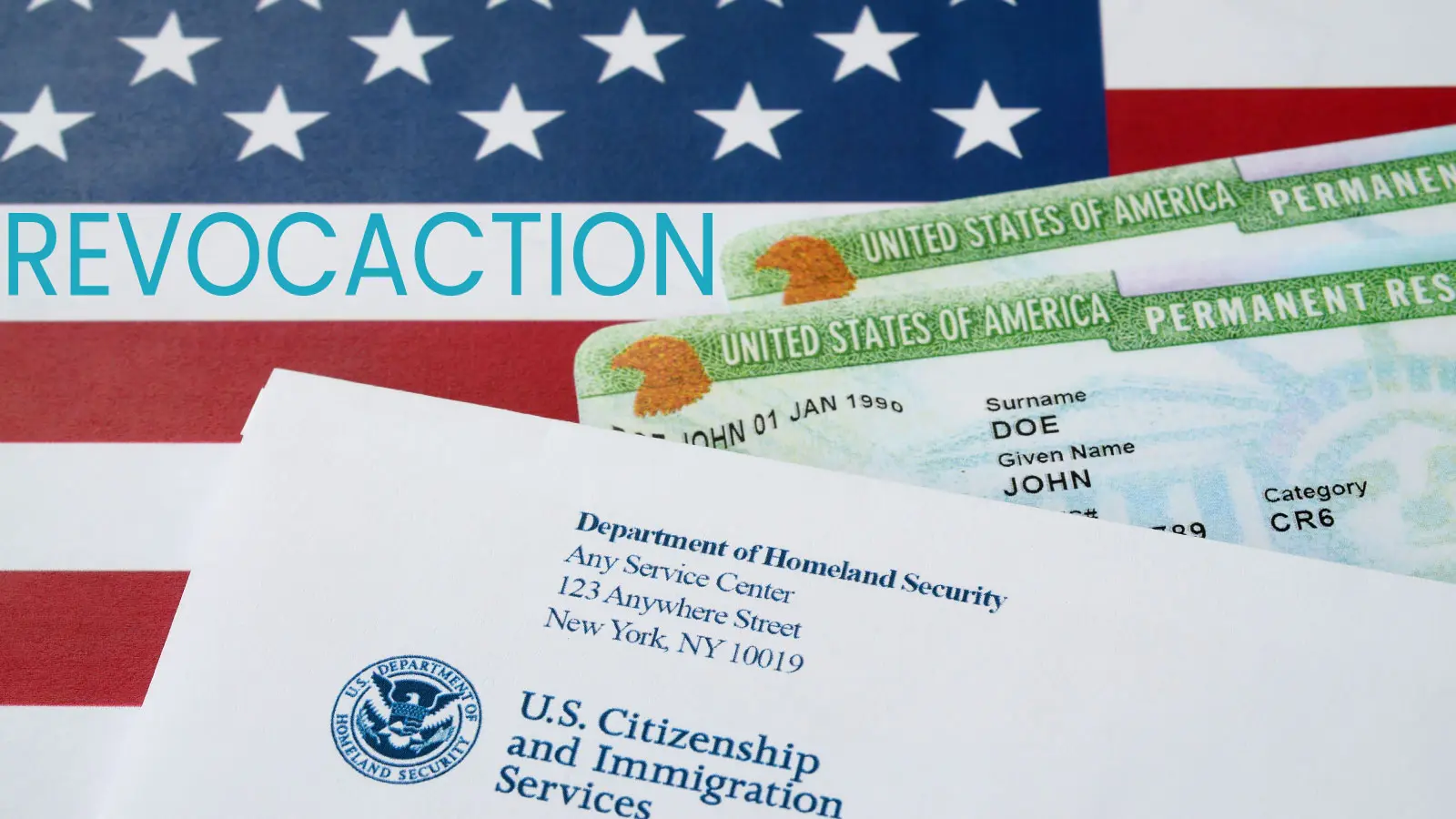
The Department of Homeland Security and Department of Justice have announced actions to revoke U.S. citizenship from 10 naturalized individuals involved in serious crimes, marking a significant step in the largest denaturalization effort in U.S. history.

In a significant move reflecting the ongoing efforts to uphold the integrity of U.S. citizenship, the Department of Homeland Security (DHS) and the Department of Justice (DOJ) have announced the initiation of proceedings to revoke the citizenship of 10 naturalized individuals. These individuals have been implicated in serious criminal activities, including child molestation, fraud, and drug trafficking. This announcement marks a continuation of the largest denaturalization campaign in U.S. history, emphasizing the government’s commitment to ensuring that citizenship is not granted or retained by those who obtained it through fraudulent means or who have engaged in criminal conduct.

What Has Changed?

The recent announcement by DHS and DOJ signals an intensified focus on denaturalization, the legal process through which naturalized U.S. citizens can lose their citizenship if it was obtained unlawfully or if they have committed acts that violate the terms of their naturalization. This latest action targets 10 individuals who were found to have concealed their criminal backgrounds or engaged in illegal activities that would have disqualified them from citizenship had they been known at the time of naturalization.

Previously, denaturalization efforts were more limited in scope, but under the current administration, there has been a marked increase in resources and legal actions aimed at identifying and revoking citizenship from individuals who pose a threat to public safety or who obtained citizenship through deception. This move is part of a broader strategy to maintain the integrity of the naturalization process and protect the rights of lawful citizens.

Who May Be Affected?

This development primarily affects naturalized U.S. citizens who may have obtained their citizenship through fraudulent means or who have committed serious crimes that were not disclosed during their naturalization process. The individuals named in this announcement include those convicted of child molestation, large-scale scams, and drug trafficking offenses.

While the current action involves 10 individuals, it serves as a warning to others who may have misrepresented themselves during the citizenship process or who have engaged in criminal conduct post-naturalization. It also highlights the importance of transparency and honesty in immigration and naturalization applications.

What Should Applicants and Naturalized Citizens Do Next?

For those currently applying for U.S. citizenship or who have recently naturalized, this announcement underscores the importance of providing complete and truthful information throughout the application process. Applicants should ensure that all criminal history, even minor offenses, is disclosed to avoid future legal complications.

Naturalized citizens who have concerns about their status or who may have undisclosed issues in their immigration history should consider consulting with qualified legal professionals to understand their rights and options. Staying informed about changes in immigration enforcement policies is also crucial.

The Role of Certified Translations in USCIS Applications

One critical aspect of the naturalization process is the submission of accurate and certified translations of any foreign-language documents. USCIS requires that all documents not in English be accompanied by a certified translation to ensure that immigration officers can accurately assess the applicant’s background and eligibility.

Certified translations must be complete, accurate, and include a certification statement from the translator attesting to their competence and the fidelity of the translation. Errors or omissions in translations can lead to delays, requests for additional evidence, or even denials of applications.

Given the heightened scrutiny of denaturalization efforts, applicants should prioritize working with reputable translation services specializing in immigration documents. This helps ensure compliance with USCIS requirements and reduces the risk of complications during the naturalization process.

Frequently Asked Questions (FAQs)

  1. What is denaturalization?
    Denaturalization is the legal process by which a naturalized U.S. citizen can lose their citizenship if it was obtained through fraud or if they have committed certain crimes. Naturalization requirements
  2. Who can initiate denaturalization proceedings?
    Denaturalization proceedings are typically initiated by the Department of Justice, often in coordination with the Department of Homeland Security.
  3. Can denaturalization happen years after naturalization?
    Yes, denaturalization can occur many years after naturalization if new evidence emerges showing fraud or criminal conduct.
  4. What types of crimes can lead to denaturalization?
    Serious crimes such as child molestation, drug trafficking, fraud, and other offenses that involve dishonesty or moral turpitude can be grounds for denaturalization.
  5. How important are certified translations in the naturalization process?
    Certified translations are essential for USCIS to accurately review foreign-language documents. Inaccurate or uncertified translations can delay or jeopardize an application.

Disclaimer

This article is for informational purposes only and does not constitute legal advice. Immigration laws and policies are subject to change, and individuals should consult with qualified immigration attorneys or authorized representatives for guidance specific to their circumstances.

Contact Universal Translation Services for Certified Translations

Accurate and certified translations are vital for a smooth USCIS application process. Universal Translation Services offers expert translation services tailored to immigration needs, ensuring your documents meet USCIS standards. Contact us today to learn how we can help you avoid delays and complications in your citizenship journey.

For more information, visit the official USCIS announcement: USCIS News Release.

Translation Note

If a document is not in English, USCIS generally requires a complete English translation with certification from the translator.

Documents That May Need Certified Translation

Need a USCIS-Accepted Certified Translation?

Fast, accurate, certified translations for immigration documents.

Order Now

Source: Official USCIS announcement