

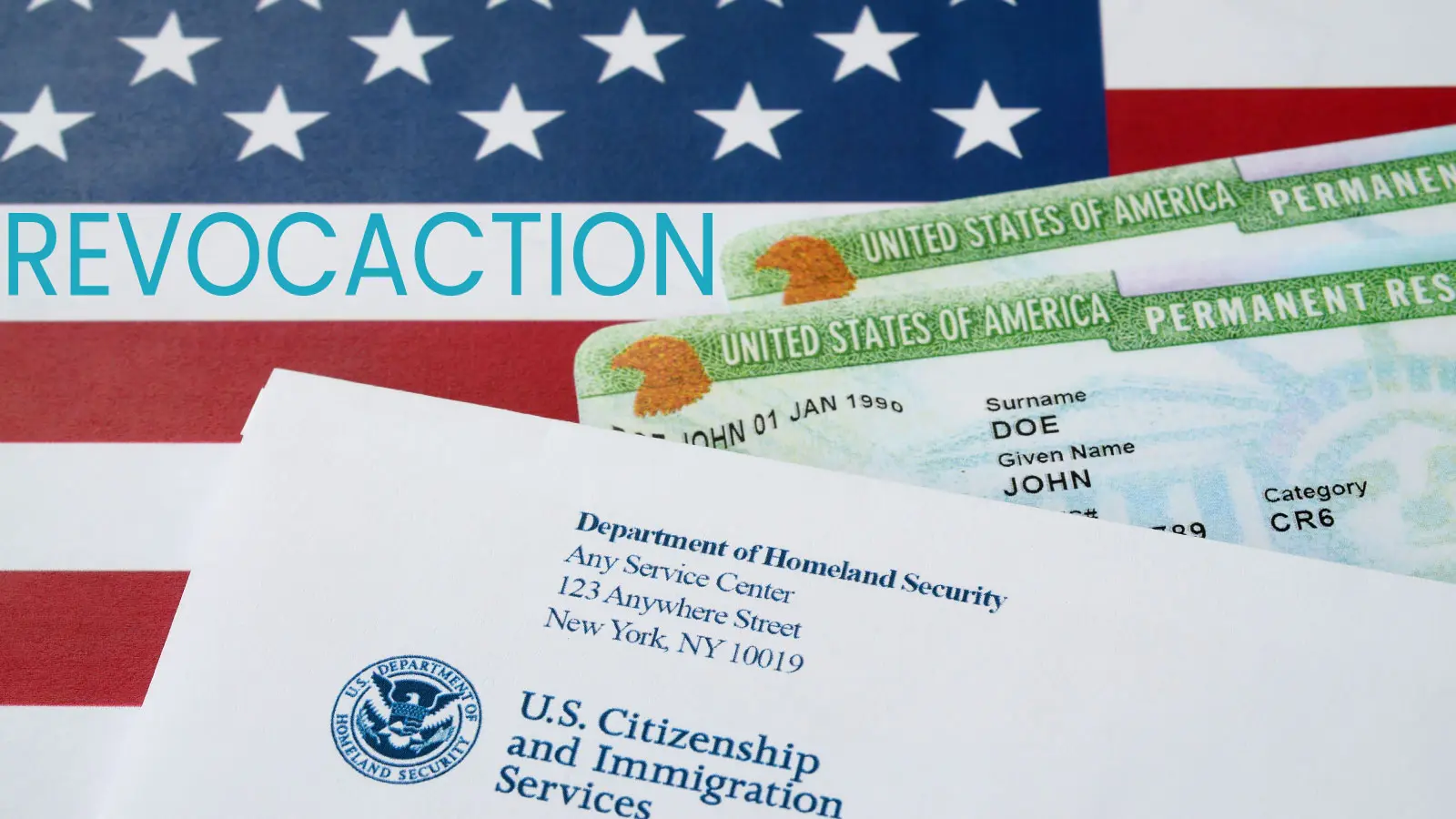
In a significant move reflecting the ongoing efforts to uphold the integrity of U.S. citizenship, the Department of Homeland Security (DHS) and the Department of Justice (DOJ) have announced the initiation of proceedings to revoke the citizenship of 10 naturalized individuals. These individuals have been implicated in serious criminal activities, including child molestation, fraud, and drug trafficking. This announcement marks a continuation of the largest denaturalization campaign in U.S. history, emphasizing the government’s commitment to ensuring that citizenship is not granted or retained by those who obtained it through fraudulent means or who have engaged in criminal conduct.
What Has Changed?
The recent announcement by DHS and DOJ signals an intensified focus on denaturalization, the legal process through which naturalized U.S. citizens can lose their citizenship if it was obtained unlawfully or if they have committed acts that violate the terms of their naturalization. This latest action targets 10 individuals who were found to have concealed their criminal backgrounds or engaged in illegal activities that would have disqualified them from citizenship had they been known at the time of naturalization.
Previously, denaturalization efforts were more limited in scope, but under the current administration, there has been a marked increase in resources and legal actions aimed at identifying and revoking citizenship from individuals who pose a threat to public safety or who obtained citizenship through deception. This move is part of a broader strategy to maintain the integrity of the naturalization process and protect the rights of lawful citizens.
Who May Be Affected?
This development primarily affects naturalized U.S. citizens who may have obtained their citizenship through fraudulent means or who have committed serious crimes that were not disclosed during their naturalization process. The individuals named in this announcement include those convicted of child molestation, large-scale scams, and drug trafficking offenses.
While the current action involves 10 individuals, it serves as a warning to others who may have misrepresented themselves during the citizenship process or who have engaged in criminal conduct post-naturalization. It also highlights the importance of transparency and honesty in immigration and naturalization applications.
What Should Applicants and Naturalized Citizens Do Next?
For those currently applying for U.S. citizenship or who have recently naturalized, this announcement underscores the importance of providing complete and truthful information throughout the application process. Applicants should ensure that all criminal history, even minor offenses, is disclosed to avoid future legal complications.
Naturalized citizens who have concerns about their status or who may have undisclosed issues in their immigration history should consider consulting with qualified legal professionals to understand their rights and options. Staying informed about changes in immigration enforcement policies is also crucial.