

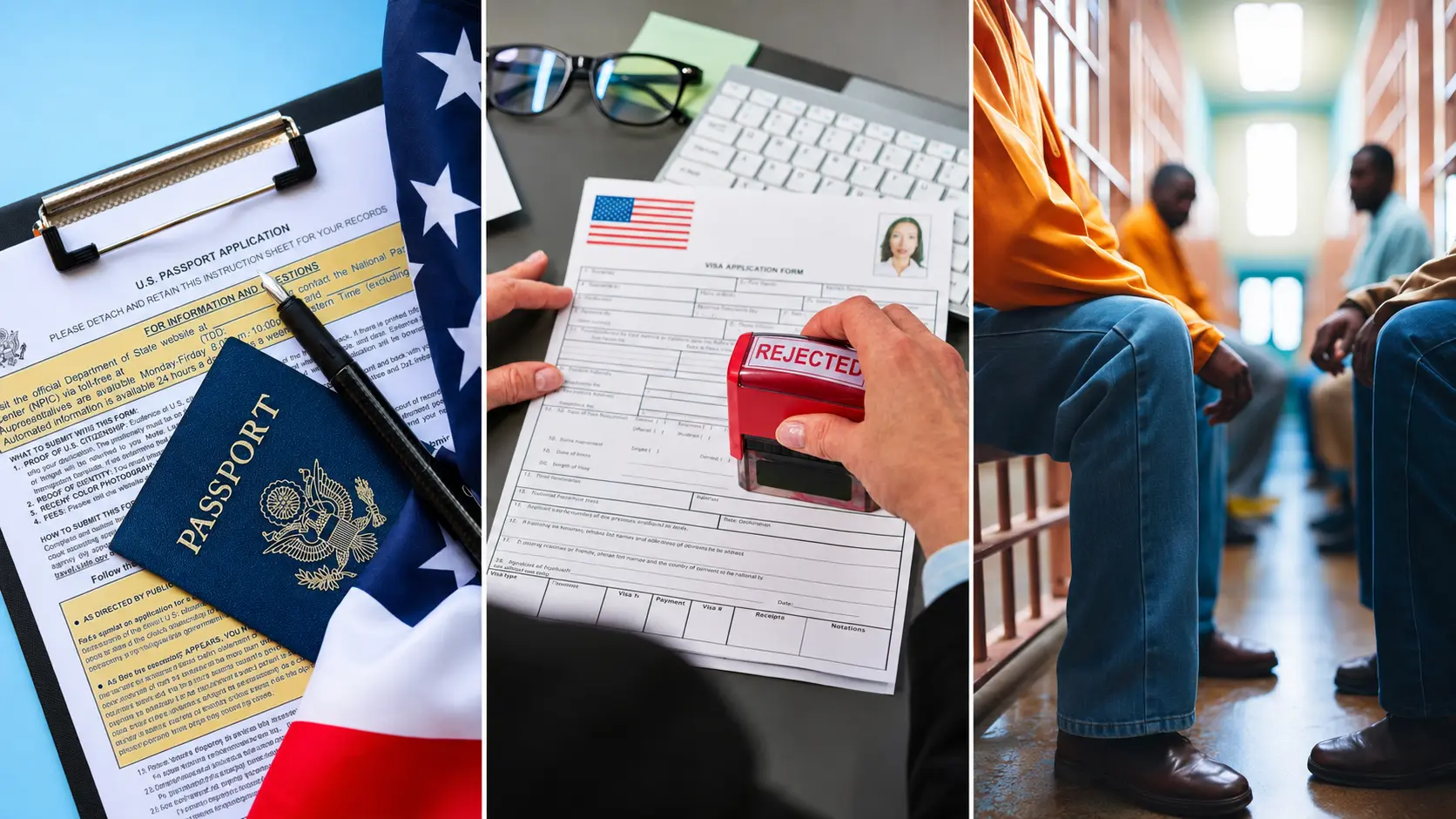
The United States Citizenship and Immigration Services (USCIS) has recently announced a pivotal rule change aimed at addressing the significant backlog in the asylum system. This development, released by the Department of Homeland Security (DHS), is designed to improve the efficiency of asylum case processing and reduce wait times for applicants seeking protection in the United States.
What Has Changed in the Asylum System?
The new rule introduces several procedural modifications intended to expedite the handling of asylum claims. Key changes include adjustments to the scheduling and prioritization of asylum interviews, enhanced case management protocols, and updated criteria for eligibility and documentation requirements. These changes are expected to streamline the adjudication process and help USCIS manage the influx of applications more effectively.
One of the most notable aspects of the rule change is the emphasis on reducing delays by prioritizing cases based on urgency and vulnerability. This means that applicants with compelling humanitarian needs or those who have been waiting the longest may receive faster consideration. Additionally, the rule clarifies certain procedural steps to minimize administrative hurdles that previously contributed to prolonged processing times.
Who Is Affected by the New USCIS Asylum Rule?
The rule change primarily affects individuals who have filed or plan to file asylum applications with USCIS. This includes:
- Asylum seekers currently awaiting interviews or decisions on their pending applications.
- New applicants preparing to submit asylum claims.
- Legal representatives and advocates assisting asylum seekers.
Applicants who have experienced long delays in their asylum cases may see improvements in processing times. However, it is important to note that the rule does not alter the fundamental eligibility criteria for asylum but rather focuses on procedural efficiency.
What Should Asylum Applicants Do Next?
Applicants and their legal representatives should carefully review the updated USCIS guidelines to understand how the new procedures may impact their cases. It is advisable to ensure that all required documentation is complete and submitted promptly to avoid unnecessary delays.
Staying informed about interview scheduling and responding quickly to any USCIS requests will be crucial under the new system. Applicants should also maintain communication with their legal counsel to navigate the updated process effectively.
The Importance of Certified Translations for USCIS Asylum Applications
Accurate and certified translations of documents are essential when submitting asylum applications to USCIS. Many asylum seekers provide evidence and personal documents in languages other than English. USCIS requires these documents to be translated into English by a qualified translator who can certify the accuracy of the translation.
Certified translations help prevent delays caused by unclear or incomplete documentation and ensure that USCIS officers can fully understand the applicant’s case. Working with professional translation services that specialize in immigration documents is highly recommended to meet USCIS standards.